
In 2026, digital marketing is becoming more immersive, interactive, and experience-driven than ever before. Consumers no longer want to rely on static product photos or traditional advertisements when shopping online. Instead, they expect brands to deliver realistic and engaging product experiences that help them explore, understand, and connect with products before making a purchase. This shift in consumer behavior is one of the biggest reasons why 3D product visuals are rapidly transforming modern marketing strategies.
From interactive 3D product viewers and augmented reality experiences to virtual showrooms and product configurators, businesses across industries are using 3D product visualization to improve engagement, increase conversions, and strengthen customer trust. In today’s competitive eCommerce landscape, brands that fail to offer immersive product experiences risk losing customers to competitors that provide more interactive and personalized shopping journeys.
This guide explores how businesses can use 3D product visuals for marketing in 2026, the benefits of adopting this technology, practical implementation strategies, industry use cases, and future trends shaping immersive digital commerce.
What Are 3D Product Visuals?
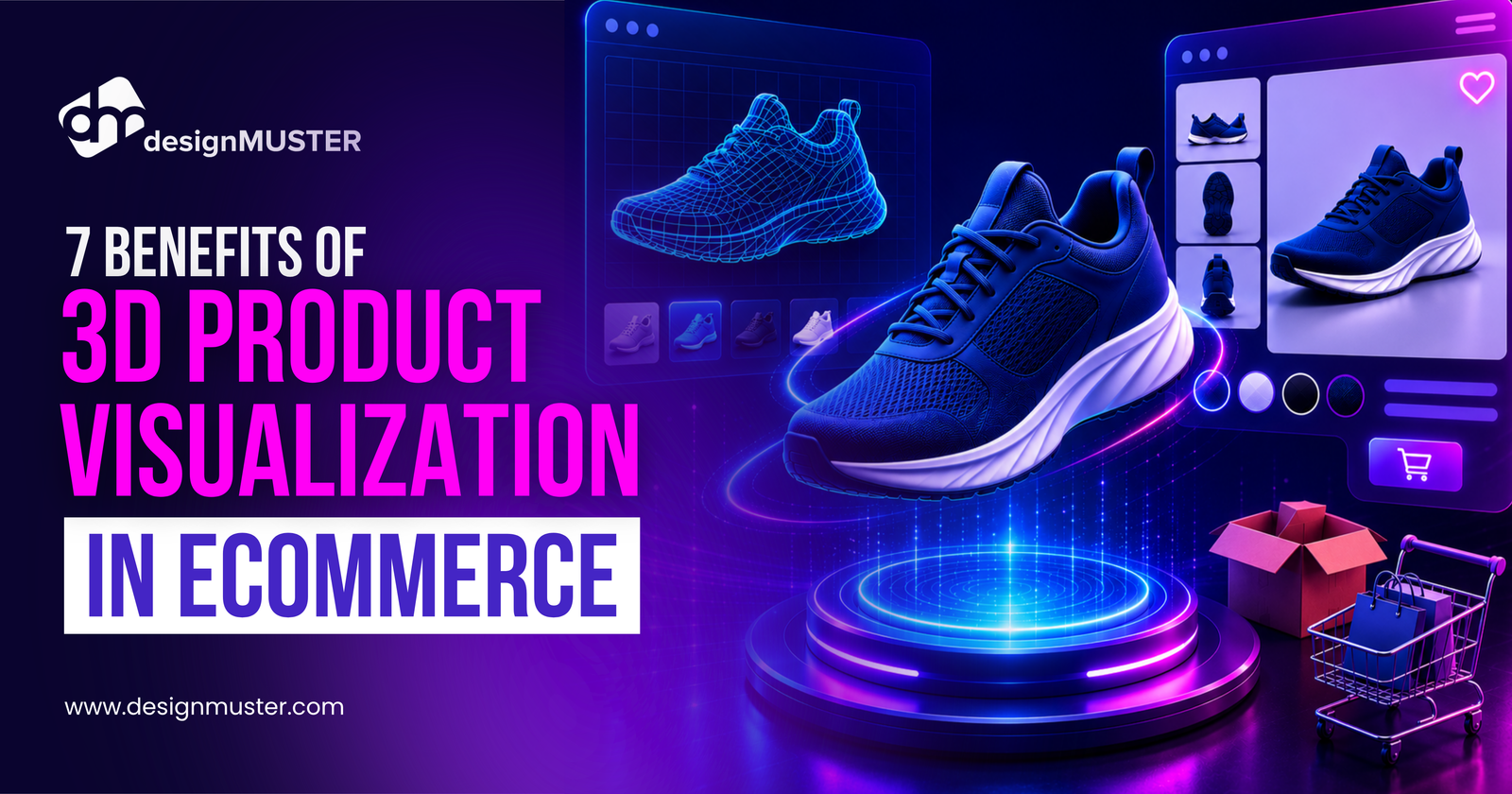
3D product visuals are realistic digital representations of products that allow users to interact with products online in a more immersive way. Unlike traditional product photography, 3D product visualization enables customers to rotate products, zoom into details, customize colors and materials, and even preview products in their real-world environment through augmented reality technology.
In 2026, 3D product visualization has become a key component of modern digital marketing because it helps bridge the gap between physical retail experiences and online shopping. Consumers can now interact with products virtually before purchasing, which creates greater confidence and improves overall customer satisfaction.
Brands are increasingly using 3D product visuals in eCommerce websites, social media campaigns, paid advertising, email marketing, and virtual shopping experiences to create more engaging and memorable customer journeys.
Why 3D Product Visuals Matter in 2026
Consumer expectations in 2026 have evolved dramatically. Online shoppers want more than product descriptions and image galleries. They expect realistic digital experiences that simulate in-store shopping as closely as possible. As online competition continues increasing, immersive product experiences are becoming a major differentiator for brands.
3D product visuals help customers understand products more clearly by allowing them to explore products from every angle and interact with features in real time. This reduces uncertainty during the buying process and helps consumers make more informed purchasing decisions.
At the same time, search engines and AI-driven platforms increasingly prioritize rich, interactive, and engaging content experiences. Brands that use 3D product visualization often benefit from improved user engagement metrics such as longer session duration, higher interaction rates, and lower bounce rates, which can contribute positively to SEO performance in 2026.
Higher Customer Engagement and Interaction
One of the biggest advantages of using 3D product visuals for marketing is the ability to increase customer engagement. Interactive content naturally captures attention more effectively than static images because users become active participants in the shopping experience rather than passive viewers.
When customers can rotate products, zoom into textures, explore materials, and interact with product features, they spend more time engaging with the brand. This deeper interaction helps create emotional connections with products and encourages stronger purchase intent.
In 2026, attention spans are shorter and digital competition is more intense. Brands that provide immersive experiences through 3D product visualization are better positioned to capture and retain customer attention across websites, social platforms, and digital advertisements.
Improving Conversion Rates with 3D Product Visualization
Conversion optimization remains a top priority for online businesses in 2026, and 3D product visuals are playing a major role in improving eCommerce performance. One of the primary reasons shoppers abandon purchases online is uncertainty about the product. Customers often hesitate because they cannot fully visualize the item, understand its dimensions, or evaluate product quality through static images alone.
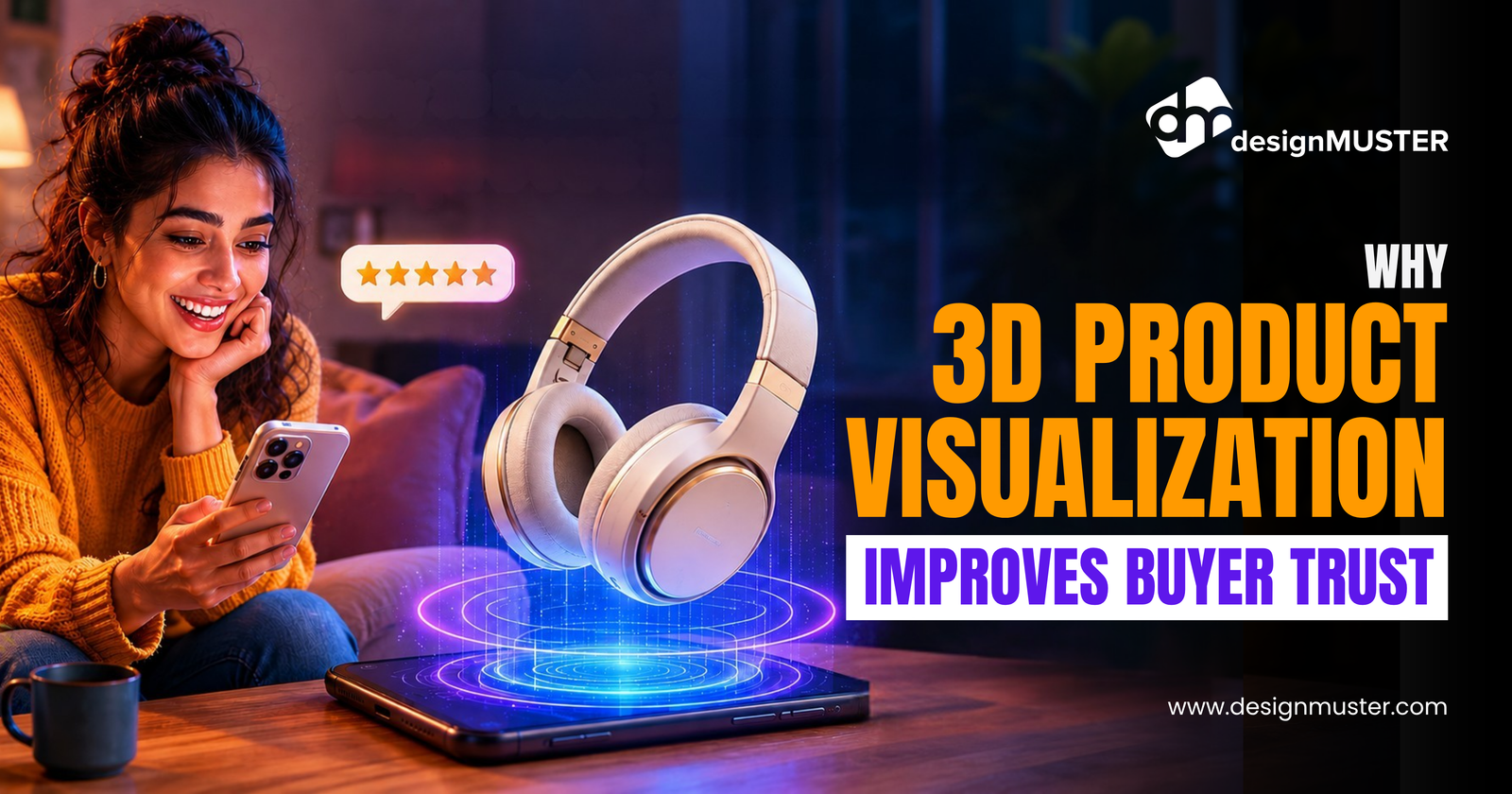
Interactive 3D product visuals solve this problem by giving consumers a more realistic and detailed understanding of products before purchasing. When buyers feel more confident about what they are purchasing, they are more likely to complete transactions.
Many brands using 3D product visualization report improvements in conversion rates, customer satisfaction, and average order value because immersive product experiences create stronger trust and reduce friction in the buying process.
Using 3D Product Visuals in Social Media Marketing
Social media marketing in 2026 is heavily focused on visual storytelling and interactive experiences. Platforms such as Instagram, TikTok, Pinterest, Snapchat, and Facebook prioritize highly engaging content formats that encourage user interaction and sharing.
3D product visuals allow brands to create eye-catching content that stands out in crowded social feeds. Businesses can use animated product renders, interactive AR filters, virtual try-ons, and immersive product showcases to increase engagement and brand visibility.
Short-form video content combined with 3D animation is especially effective for demonstrating product features, customization options, and product functionality. These experiences not only increase engagement but also improve brand recall and customer interest.
As social commerce continues expanding in 2026, integrating 3D product visualization into social media campaigns is becoming an essential strategy for brands looking to increase conversions directly from social platforms.
Enhancing Personalization Through Product Configurators
Personalization has become one of the most important factors influencing consumer purchasing decisions in 2026. Customers increasingly want products tailored to their preferences, and 3D product configurators make this possible through real-time customization experiences.
A 3D product configurator allows users to modify colors, materials, finishes, sizes, and accessories while instantly visualizing the final product. This level of interactivity creates a highly personalized shopping experience that increases emotional investment and customer satisfaction.
Industries such as furniture, automotive, fashion accessories, electronics, and luxury retail are using product configurators to improve customer engagement and drive higher average order values. When customers actively participate in designing or customizing products, they develop stronger connections with the brand and are more likely to complete purchases.
Using Augmented Reality for Marketing in 2026
Augmented reality has become one of the most powerful applications of 3D product visualization in 2026. AR technology allows customers to place virtual products into their real-world environment using smartphones, tablets, or wearable devices.
Consumers can now preview furniture in their living room, test makeup virtually, try on sunglasses digitally, or visualize home décor items before purchasing. These immersive experiences help shoppers understand how products will look and fit within their personal environment.
AR-powered marketing experiences significantly improve purchase confidence while reducing product returns caused by unmet expectations. As AR technology becomes more accessible and mobile-friendly, more businesses are integrating “View in Your Space” and virtual try-on features into their marketing strategies.
You Can Also Read: 3D Product Visualization: The Future of Online Shopping
Creating Virtual Showrooms and Immersive Brand Experiences
Virtual showrooms are becoming increasingly popular in 2026 as brands look for new ways to create immersive digital experiences. Instead of relying solely on traditional eCommerce websites, businesses are building interactive virtual environments where customers can browse products in realistic digital spaces.
These virtual experiences allow consumers to explore product collections, interact with products, and experience branded environments from anywhere in the world. For industries such as furniture, automotive, luxury fashion, and real estate, virtual showrooms provide an engaging alternative to physical retail spaces.
Immersive brand experiences not only improve customer engagement but also help businesses establish stronger emotional connections with their audience. In an increasingly digital marketplace, experience-driven marketing is becoming a major competitive advantage.
Reducing Product Returns and Increasing Buyer Confidence
Product returns continue to be a costly challenge for eCommerce businesses in 2026. One of the most effective ways to reduce returns is by improving product understanding before purchase, and 3D product visuals play a critical role in achieving this.
Interactive product visualization helps customers accurately assess product size, appearance, materials, and functionality. AR experiences further improve confidence by allowing shoppers to preview products in real-world settings.
When customers know exactly what to expect, they are less likely to experience disappointment after delivery. This leads to fewer returns, improved customer satisfaction, and lower operational costs for brands.
SEO Benefits of 3D Product Visualization
3D product visualization not only improves customer experience but also supports SEO performance in 2026. Search engines increasingly reward websites that provide engaging and valuable user experiences.
Interactive 3D content can increase dwell time, reduce bounce rates, and encourage deeper interaction with product pages. These behavioral signals help search engines understand that users find the content valuable and engaging.
Additionally, immersive product experiences contribute to richer content ecosystems that improve topical authority and support semantic SEO strategies. As AI-powered search continues evolving, interactive and multimedia-rich content will play an even larger role in search visibility and discoverability.
Challenges of Implementing 3D Product Visuals
Although 3D product visualization offers significant advantages, implementing these technologies can present challenges for businesses. Creating high-quality 3D assets requires specialized skills, software, and production workflows. Additionally, large 3D files can impact website speed and performance if not optimized properly.
To overcome these challenges, many brands in 2026 are using cloud-based 3D platforms, AI-assisted modeling tools, and optimized file formats such as glTF and WebGL. Businesses are also prioritizing high-impact products first before scaling 3D visualization across their entire catalog.
By combining performance optimization with scalable workflows, brands can successfully integrate immersive product experiences without sacrificing website usability.
Future Trends in 3D Product Marketing
The future of 3D product visualization in marketing is becoming increasingly driven by artificial intelligence, real-time rendering, and immersive commerce technologies. AI-powered tools are making it easier and faster to generate realistic 3D models from simple product photos, dramatically reducing production time and costs.
In 2026, more brands are also exploring virtual shopping environments, metaverse-inspired retail experiences, and AI-powered personalization systems that dynamically adapt product visuals based on customer behavior and preferences.
Social commerce platforms are continuing to integrate augmented reality and interactive shopping experiences directly into their ecosystems, further blurring the line between entertainment and online shopping.
As immersive technologies continue evolving, 3D product visualization will become a standard component of digital marketing strategies across nearly every industry.
Conclusion
In 2026, 3D product visuals are no longer optional for brands that want to compete effectively in digital commerce. Consumers now expect immersive, interactive, and personalized shopping experiences that go beyond traditional product photography and static advertisements.
By using 3D product visualization, augmented reality, product configurators, and virtual showrooms, businesses can improve customer engagement, increase conversions, reduce returns, and strengthen brand perception. These technologies help bridge the gap between physical and digital shopping while creating richer and more memorable customer experiences.
As online competition continues growing, brands that invest in immersive visual technologies today will be better positioned for the future of eCommerce and digital marketing. The future of marketing in 2026 is interactive, intelligent, and three-dimensional, and businesses that embrace this transformation early will lead the next generation of customer experience innovation.