
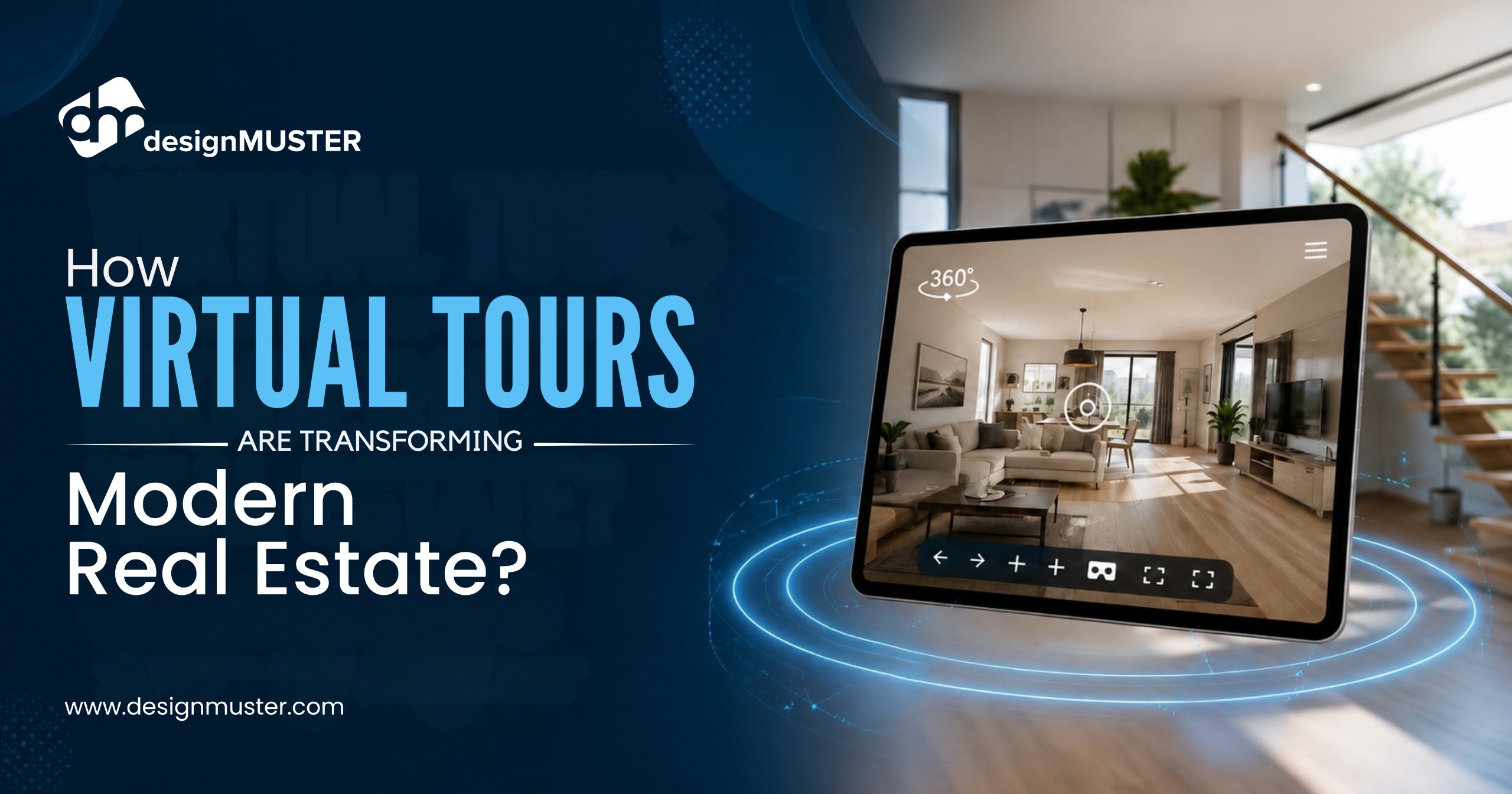
The real estate industry has changed significantly with the rise of digital technology, and virtual tours have become one of the most powerful innovations in modern property marketing. Buyers no longer need to visit every property physically before making decisions. Instead, they can explore homes, apartments, offices, and commercial spaces online from anywhere in the world. Virtual tours provide a realistic and interactive experience that helps buyers understand property layouts, design, and features more effectively than standard photos. This technology saves time for both buyers and agents while improving customer engagement. In competitive real estate markets, virtual tours also help properties stand out and attract more serious buyers. As online property searches continue to grow, virtual tours are becoming an essential tool for real estate businesses. This guide explains how virtual tours are transforming modern real estate and why they are important for the future of property marketing.
How Virtual Tours Are Transforming Modern Real Estate
Better Property Visualization
Virtual tours allow buyers to explore properties in a more realistic and detailed way compared to traditional images. Instead of viewing a few static photos, users can move through rooms, examine layouts, and understand the overall flow of the property. This creates a more immersive experience that helps buyers feel connected to the space before visiting physically. Better visualization also reduces confusion about room size, design, and structure. Buyers can inspect important areas such as kitchens, living rooms, and outdoor spaces from different angles. This level of detail improves confidence and helps users make informed decisions. In modern real estate marketing, strong visualization plays a key role in attracting serious buyers and improving engagement.
Save Time for Buyers and Agents
Virtual tours save valuable time for both property buyers and real estate agents. Buyers can shortlist suitable properties online without visiting multiple locations physically. This makes the property search process faster and more convenient, especially for busy professionals or international buyers. Real estate agents also benefit because they spend less time arranging unnecessary property visits. Instead, they can focus on clients who are genuinely interested after viewing the virtual tour. This improves efficiency and increases productivity in the sales process. Virtual tours help filter out casual inquiries and attract more qualified leads. By reducing unnecessary travel and meetings, this technology makes property transactions smoother and more organized for everyone involved.
You Can Also Read: How Virtual Tours Can Boost Your Small Business’s ROI
Increase Online Property Engagement
Properties with virtual tours usually receive higher engagement compared to listings with only images. Interactive experiences keep users interested for longer periods and encourage them to explore more details about the property. Buyers are more likely to spend time on listings that provide a complete digital walkthrough. This increased interaction improves the chances of generating inquiries and conversions. Virtual tours also make property listings more memorable because users can experience the layout in a realistic way. Higher engagement is important in competitive markets where many listings compete for attention. Real estate businesses using virtual tours often see better customer interest and stronger online visibility compared to traditional property marketing methods.
Improve Buyer Confidence
Buying property is a major financial decision, and buyers want as much information as possible before making commitments. Virtual tours improve buyer confidence by offering a transparent and realistic property experience. Users can inspect spaces carefully, understand layouts, and evaluate features without relying only on descriptions or edited photos. This reduces uncertainty and helps buyers feel more comfortable about scheduling physical visits or making offers. Virtual tours also help remote buyers who cannot travel easily to inspect properties in person. The ability to explore properties online builds trust and creates a stronger connection between buyers and listings. Increased confidence often leads to faster decision-making and smoother sales processes.
Reach International Buyers
Virtual tours help real estate businesses connect with international and remote buyers more effectively. Overseas investors and clients often cannot visit properties physically before making decisions. Virtual tours solve this problem by allowing them to experience properties online from anywhere in the world. This expands market reach and increases opportunities for real estate companies. International buyers can explore multiple properties without traveling, saving both time and expenses. This technology is especially valuable in luxury and commercial real estate markets where global investors play a major role. By offering immersive digital experiences, real estate businesses can attract a wider audience and compete more effectively in global markets.
Related: Why Should Businesses Invest in Virtual Reality Marketing
Support Faster Sales Process
Virtual tours help speed up the property sales process by improving communication and reducing delays. Buyers who view detailed virtual tours are often more prepared before scheduling physical visits. This means agents spend more time with serious clients instead of handling basic inquiries. Better-informed buyers can make quicker decisions because they already understand the property layout and features. Virtual tours also reduce misunderstandings that may happen with traditional photos. Faster decision-making leads to shorter sales cycles and improved customer satisfaction. In competitive real estate markets, properties with virtual tours often sell faster because they create stronger buyer interest from the beginning.
Enhance Real Estate Marketing
Virtual tours have become an important part of modern real estate marketing strategies. They make property listings more professional, interactive, and visually appealing. Real estate businesses can use virtual tours on websites, social media, and online advertisements to attract more attention. Interactive content also improves brand image and shows that the business uses modern technology to improve customer experience. Properties with virtual tours often perform better in digital campaigns because users prefer engaging visual content over static images. This marketing advantage helps businesses stand out from competitors. As digital marketing continues to grow, virtual tours are becoming a necessary tool for successful property promotion.
FAQs
What is a virtual real estate tour?
A virtual tour is an interactive digital walkthrough that allows users to explore properties online.
Why are virtual tours important in real estate?
They improve property visualization, save time, and increase buyer engagement.
Do virtual tours help sell properties faster?
Yes, they attract more serious buyers and improve decision-making speed.
Can international buyers use virtual tours?
Yes, virtual tours allow overseas buyers to explore properties remotely.
Are virtual tours better than photos?
Yes, they provide a more immersive and realistic property experience compared to static images.
Conclusion
Virtual tours are transforming modern real estate by improving how properties are marketed and explored online. They provide better visualization, increase buyer confidence, save time, and support faster sales processes. Real estate businesses using virtual tours can attract more engagement and reach both local and international buyers effectively. As digital property searches continue to grow, virtual tours are becoming an essential part of modern real estate marketing strategies. They offer convenience, transparency, and a more immersive experience for buyers. In today’s competitive market, businesses that invest in virtual tour technology gain a strong advantage in attracting customers and improving overall sales performance.