
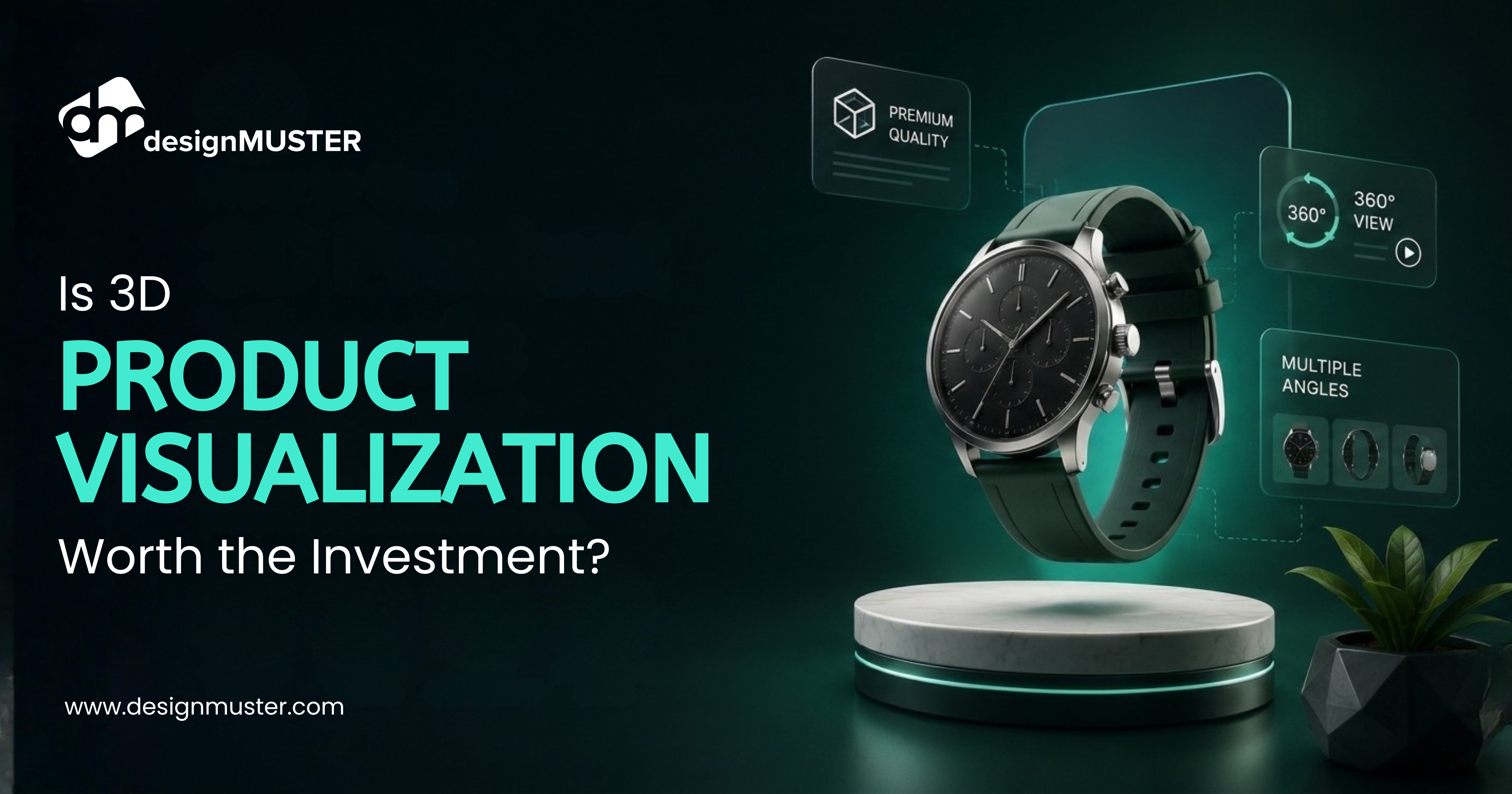
In 2026, online shopping is becoming more immersive, interactive, and experience-driven than ever before. Consumers no longer rely only on static product images and short descriptions before making purchasing decisions. Instead, they expect realistic digital experiences that allow them to explore products from every angle, customize features, and even preview products in their own environment through augmented reality. This shift in customer expectations is one of the main reasons why 3D product visualization is rapidly becoming a major investment priority for modern businesses.
From eCommerce stores and social media campaigns to virtual showrooms and product configurators, brands across industries are adopting 3D product visualization to improve engagement, increase conversions, and reduce return rates. Although implementing immersive product experiences requires upfront investment, the long-term benefits often outweigh the costs. Businesses are increasingly discovering that interactive product visualization is not just a visual upgrade but a strategic tool that directly impacts customer confidence, online sales, and overall brand growth in the competitive digital marketplace of 2026.
What Is 3D Product Visualization?
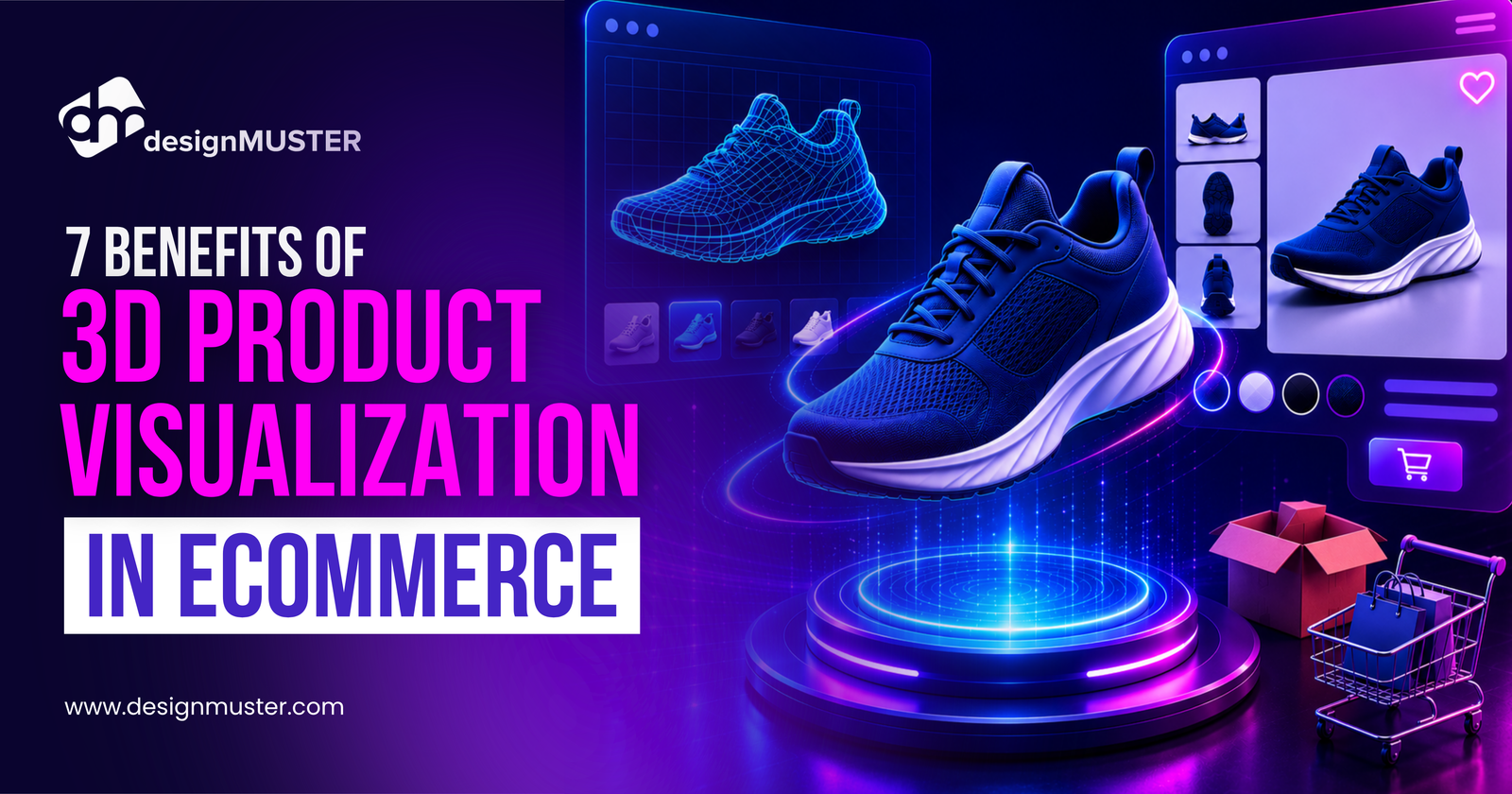
3D product visualization is the process of creating realistic digital models of products that customers can interact with online. Unlike traditional product photography, 3D visuals allow shoppers to rotate products, zoom into details, customize colors or materials, and explore products from multiple angles in real time.
In 2026, 3D product visualization is widely used across eCommerce websites, augmented reality applications, virtual showrooms, and social media marketing campaigns. These immersive experiences help customers better understand products before purchasing, which improves confidence and enhances the online shopping experience.
Why Businesses Are Investing in 3D Product Visualization
Businesses are investing heavily in 3D product visualization because customer expectations have changed significantly in recent years. Consumers now expect brands to provide interactive and engaging product experiences that closely replicate in-store shopping.
At the same time, competition in digital commerce has intensified. Brands that offer immersive shopping experiences often gain a competitive advantage by increasing customer engagement and creating more memorable online interactions. In 2026, 3D product visualization is increasingly viewed as an essential part of modern digital marketing and eCommerce strategy.
Higher Conversion Rates and Increased Sales
One of the biggest reasons businesses invest in 3D product visualization is its ability to improve conversion rates. Many customers hesitate to buy online because they cannot fully understand how a product looks or functions through static images alone.
Interactive 3D product visuals help solve this issue by providing realistic and detailed product experiences. When shoppers can explore products from every angle and interact with features in real time, they feel more confident making purchasing decisions. This increased confidence often leads to higher conversions and stronger online sales performance.
Reducing Product Returns and Operational Costs
Product returns remain one of the biggest challenges for eCommerce businesses in 2026. Customers often return products because the delivered item does not match their expectations regarding size, appearance, or quality.
3D product visualization helps reduce these issues by giving shoppers a more accurate understanding of products before purchase. Features such as realistic rendering, zoom functionality, and augmented reality previews improve transparency and help customers make informed decisions, which can significantly lower return rates and operational costs.
Improving Customer Engagement and User Experience
Modern consumers are highly influenced by digital experiences, and interactive content naturally captures attention more effectively than static visuals. 3D product visualization transforms online shopping into a more engaging and immersive experience.
Customers can interact directly with products through rotation, customization, and virtual previews, increasing time spent on websites and improving overall engagement. In 2026, businesses that prioritize immersive user experiences are more likely to build stronger customer relationships and improve retention rates.
Related: How to use 3D Product Visuals for marketing
Strengthening Brand Perception and Competitive Advantage
Brands that use advanced technologies such as 3D product visualization are often perceived as more innovative, modern, and customer-focused. Interactive product experiences help businesses stand out in crowded online marketplaces where differentiation is increasingly important.
In competitive industries such as furniture, fashion, automotive, and electronics, immersive visualization can significantly strengthen brand perception. Customers are naturally attracted to brands that offer engaging digital experiences and provide greater confidence during the shopping journey.
The Cost of Implementing 3D Product Visualization
Implementing 3D product visualization does require investment in areas such as 3D modeling, rendering software, augmented reality integration, and interactive website functionality. For businesses with large product catalogs, these costs can initially appear significant.
However, technological advancements in 2026 are making 3D visualization more accessible and scalable. AI-powered modeling tools, cloud-based rendering platforms, and SaaS visualization services are reducing production costs and simplifying workflows, allowing businesses to adopt immersive experiences more efficiently.
Which Industries Benefit the Most?
Several industries benefit significantly from investing in 3D product visualization. Furniture and home décor brands use augmented reality and interactive viewers to help customers visualize products inside their homes before purchasing.
Fashion, automotive, electronics, and luxury retail industries also gain major advantages through virtual try-ons, product configurators, and immersive digital experiences. Even B2B industries use 3D visualization to simplify complex product presentations and improve customer understanding.
The Role of Augmented Reality in ROI
Augmented reality has become one of the most valuable extensions of 3D product visualization in 2026. AR technology allows customers to place products into real-world environments using smartphones or wearable devices.
This capability improves purchasing confidence because shoppers can preview products within their personal spaces before buying. Businesses using AR-powered product visualization often experience higher engagement, stronger conversions, and lower return rates compared to traditional online shopping experiences.
Challenges Businesses Should Consider
Although 3D product visualization offers many benefits, businesses must also address certain challenges. Large 3D files can affect website performance if they are not properly optimized for speed and mobile responsiveness.
Additionally, creating accurate and photorealistic product models requires technical expertise and quality control. To overcome these issues, many businesses in 2026 are using optimized formats such as glTF and cloud-based rendering technologies to maintain fast and seamless user experiences.
Related: Barriers to VR Shopping Adoption in 2026
Future Trends in 3D Product Visualization
The future of 3D product visualization is closely connected to artificial intelligence, immersive commerce, and real-time personalization. AI-powered tools are making it easier to create realistic 3D assets from simple images, significantly reducing production time and costs.
Virtual shopping environments, metaverse-inspired retail experiences, and AI-driven product customization are also becoming more common. As immersive digital commerce continues evolving, businesses investing in 3D visualization technologies today are positioning themselves ahead of future market trends.
Is 3D Product Visualization Worth the Investment in 2026?
For most businesses operating in eCommerce and digital retail, 3D product visualization is proving to be a highly valuable investment in 2026. While implementation requires strategic planning and initial costs, the long-term benefits often deliver strong returns through improved engagement, increased sales, lower return rates, and stronger customer trust.
As customer expectations continue shifting toward immersive and interactive shopping experiences, businesses that fail to adopt modern visualization technologies risk falling behind competitors. In today’s digital commerce environment, 3D product visualization is no longer just a premium feature but an important part of building successful customer experiences.
Conclusion
In 2026, 3D product visualization is becoming one of the most powerful tools for improving online shopping experiences and driving eCommerce growth. By offering interactive, realistic, and immersive product experiences, businesses can increase customer engagement, strengthen purchasing confidence, and reduce uncertainty during the buying process. These advantages contribute directly to higher conversion rates, lower product returns, and improved customer satisfaction across digital platforms.
Although implementing 3D product visualization requires investment in technology, modeling, and optimization, the long-term value often outweighs the initial costs. As augmented reality, artificial intelligence, and immersive commerce technologies continue evolving, customer expectations for interactive shopping experiences will only continue growing. Businesses that invest in 3D visualization today are not simply upgrading product displays — they are preparing for the future of digital commerce and building stronger competitive advantages for years to come.